General
This course expired on 31 December 2025. If you have completed this course, you can print your certificate here.
This course has been replaced with our Examining Patients with Learning Disabilities: Part 1 - Clinical background course, reissued in March 2026.


Domains: Communication, Professionalism
CPD Ref: C-100457
CPD Points: 
CPD Type: Non-interactive
Closing Date: 31 December 2025
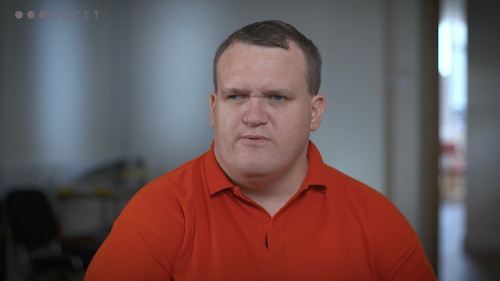
This three-part series seeks to challenge the perception that treating patients with learning disabilities is intimidating or difficult. Its goal is to build optometrists’ confidence in examining this patient group, highlighting both the rewards for practitioners and the importance of ensuring patients receive the eye care they need.
Part one focuses on understanding a patient’s perspective and clarifying key terminology around learning disabilities. It covers conditions such as cerebral palsy, Down’s syndrome, and autism, outlining their definitions, causes, symptoms, prevalence, and epidemiology. The course also considers how these conditions may affect communication with patients and explores their potential impact on ocular health.
At the end of Part one, you can complete the CPD quiz to gain one non-interactive CPD point. For guidance on recommended strategies to prepare for and conduct an appointment, go to Examining Patients with Learning Disabilities: Part 2 – The Appointment.
First published: November 2018
Last reviewed: January 2022